March is Pet Poison Prevention Month so we've compiled a list of the most common household items that can be lethal or make pets extremely ill – some you may not have given any thought to!
Pets are crafty and will get into drawers, cupboards, garages, and can get into products you may have neglected to pick up. Our pets are vulnerable and susceptible to the accidental ingestion of items in the home or yard that could be life-threatening.
Let’s face it, our dogs seem unable to help themselves when it comes to eating, sniffing, rolling in, and licking items they find. When you poison-proof your home you’re helping remove temptations and helping keep your beloved furbabies safe.
Here is a list – not the be all and end all, but a great jumping off point for new (or long time) pet parents who want to give the house a once over for pet safety.
1. Houseplants – there are many plants that are toxic to cats and they include: Lily of the Valley, castor bean, poinsettias, azalea, crocus, oleander, daffodils, tulips, hyacinths, and others.
2. Ashtrays or smoking cessation products like vape pens or gums. Your pet can be poisoned by nicotine.
3. Batteries can cause chemical burns and choking if chewed.
4. A purse or briefcase – Contained in these carryalls can be: medications, nicotine products, sugar-free products that contain xylitol, pens, and more.
5. Foods including – chocolate, sugar-free foods because they contain xylitol, raisins, grapes, caffeine, onions, bread doughs, table salt, alcohol, and other food scraps.
6. Strings.
7. Household cleaning products.
8. Toilet water – keep that lid closed at all times, but especially if you have any bowl treatment products.
9. Mouse poison and mouse traps.
10. Flea and tick products.
11. Glues - they can expand and/or damage internal organs.
12. Antifreeze – this is always mentioned during winter months because that’s when it’s typically used. It has a sweet flavor and that’s why animals are drawn to it.
13. Any kind of automotive products.
14. Fertilizers or other yard treatment and insecticides. If you use an insecticide or herbicide on your lawn, keep your pets off until the spray is completely dry; better yet, only use products that are pet safe.
It's also important to make sure the garbage can is out of reach and that it has a well-fitting cover.
If you believe your pet has ingested something dangerous, don’t wait! Call your veterinarian, the Pet Poison Control Helpline at 800.213.6680, or the ASPCA Poison control Center at 888.426.4435. Post these numbers on your refrigerator or somewhere that they are readily available.
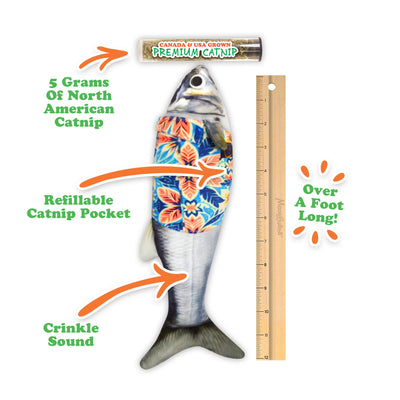
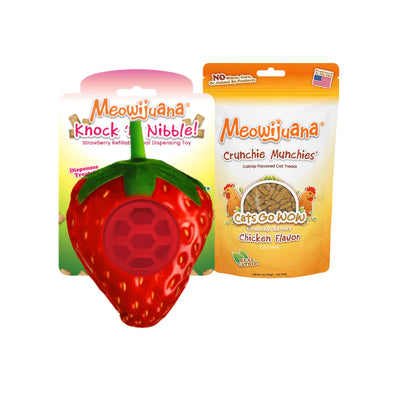
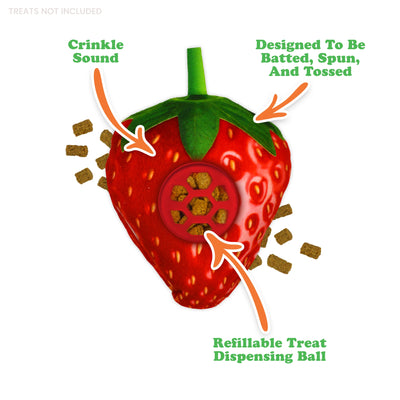
Give your dogs toys they should be playing with – Doggijuana Juananip filled toys will keep them entertained and keep them safe!
Unfortunately, accidents happen. We turn our backs for a moment and our pet is getting into something harmful. Just as you’d baby proof a home, so too do you need to pet poison-proof your home to keep them safe!
We are so thrilled with our Doggijuana toys and with sharing the benefits of catnip with the canine community! Check out our toys and the benefits of catnip for dogs!
Article by pet parent Robbi Hess who shares her life with high-energy poodles and truly understands how catnip for dogs helps her pups chill!