


Ask about tabby cat personality and you'll get a confident answer: friendly, adaptable, good with people, the golden retriever of the cat world. It's one of the warmest reputations in the folklore. It's also built on a category error that makes tabby the most interesting entry in the whole coat-personality series: tabby isn't a color at all. It's a pattern, it comes in every color, and genetically speaking, nearly every cat on earth is wearing it or hiding it. That changes what the stripes can and can't tell you.
Tabby is a pattern, and every cat carries it
The tabby pattern is the default setting of the domestic cat: the striped, swirled, spotted, or ticked coat comes from genes every cat carries, and "solid" cats are simply cats whose other genes switched the pattern's visibility off. Look at a black cat in strong sunlight and you'll often catch ghost stripes; look at any orange cat and you'll always find the pattern, because orange can't hide it. The four classic versions are mackerel (the tiger stripes), classic (the marbled swirls), spotted, and ticked, and the forehead M shows up on all of them. The M has collected centuries of myths; the honest explanation is simpler and better: it's the pattern's signature, worn by everything from your couch tabby to actual tigers.
So where does the friendly reputation come from?
Partly from sheer numbers: tabbies are everywhere, so the world's collected cat affection pools on them, and "tabby" has come to mean "regular cat" in most people's mental dictionary. The average of all cats is, unsurprisingly, average: adaptable, sociable enough, personality-shaped by socialization rather than by stripes. And partly the reputation is borrowed from color, not pattern: an orange tabby carries the orange reputation, a grey tabby the grey one, and the surveys that find personality differences track the color underneath far more than the stripes on top. That's why the most-searched tabby questions are combos: tabby-and-white, white tabby, grey tabby. The pattern is the constant; the color is where the folklore lives.
Reading your actual tabby
Since the stripes are the one part of the coat that predicts nothing, the practical move is the same one that closes every post in this series, just more so: read the cat. Watch their play style (stalker or ambusher), their social battery, their startle threshold, and match the enrichment to that. For the play side, tabbies as a population are unhelpfully diverse, which is exactly the case the blend-by-personality guide was built for: it maps temperament to blend lane and ignores the coat entirely, which for a tabby is the only honest method.
For the Everycat

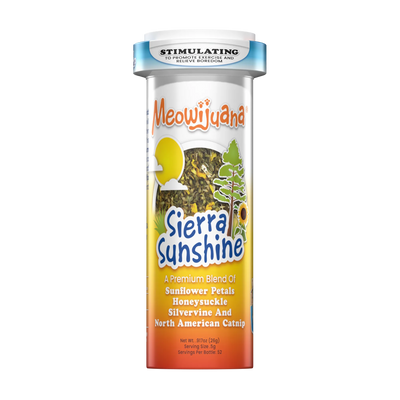

The combos people actually search
Because tabby comes in every color, the questions come in combos, and the answers follow the color half. A tabby-and-white or white tabby adds white spotting, which has its own gentle folklore but no established behavior link; the personality question defers to the base color. Grey tabbies inherit grey's calm-breeds halo, orange tabbies the one-brain-cell legend, brown tabbies the plain "classic cat" read. In every case the recipe is the same: pattern for decoration, color for folklore, actual cat for the answer.
So is the stereotype true?
The friendly-tabby stereotype is true the way "people are friendly" is true: as a description of a population too big and too varied to mean much for the one sleeping on your laundry. The stripes tell you your cat is wearing the oldest coat design in the species. They don't tell you who's inside it. The full coat-color personality guide covers every color's folklore against the evidence, and whichever cat you turn out to have, the blend lineup has their speed.


