


No coat color carries more baggage than black. Centuries of superstition, a starring role in every October, and a rough deal in shelters, where black cats still wait longer for homes than any other color. Meanwhile, the people who actually live with black cats keep reporting the same inconvenient fact: these are, by broad consensus of their owners, some of the friendliest, most people-oriented cats in the building. Here's what's real, what's folklore, and how to get the best out of a house panther.
The reputation, according to the people who'd know
Ask black cat owners to describe their cats and the same words keep coming back: social, affectionate, playful, bold, a little bit of a clown. Owner surveys tend to rate black cats as friendly and even-tempered, and shelter workers, who meet more cats than anyone, routinely name black cats among the most easygoing in their care. The usual caveat applies here as everywhere in the coat-color world: color is a weak predictor for any individual cat, and breed, socialization, and personal temperament do most of the work. But if the folklore promised you a spooky loner, the folklore is about to be very wrong.
Where the black coat actually comes from
The all-black coat comes from a gene variant that floods the coat with dark pigment, and it's ancient: black cats appear across many breeds (the Bombay was bred specifically for the mini-panther look) and across the world's street-cat populations, which is part of why there are so many of them. There's an intriguing scientific footnote, too: the mutation behind the black coat sits in a gene family related to immune function, and researchers have long been interested in whether black cats carry some disease resistance along with the color. It's not settled science, but it's a better fun fact than anything the superstitions ever offered.
Two purely cosmetic bonuses of the pigment: many black cats "rust" in sunlight, their coats bleaching toward reddish-brown at the tips during sunbathing season, and many develop distinguished white "smoke" hairs with age. Both normal, both charming, neither a health signal.
The superstition problem, and the adoption gap
The bad-luck folklore is a patchwork: black cats are actually good luck in Japanese and British traditions, ship's-cat lore prized them, and the medieval European version that stuck in America is the historical outlier. We covered the full mythology in are black cats bad luck, but the short version is that the superstition says nothing about cats and quite a lot about medieval Europe.
The modern cost is real, though: black cats consistently wait longer for adoption, partly from lingering superstition and partly from the mundane fact that they photograph poorly in dim shelter lighting. Which means the friendliest personality class in the shelter is routinely the last one picked, and anyone shopping for a first cat should know they're walking past the best deal in the building.
Playing to the house-panther personality
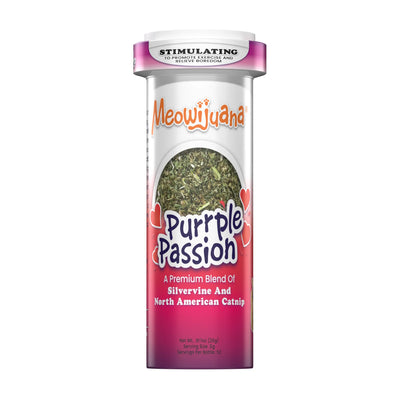
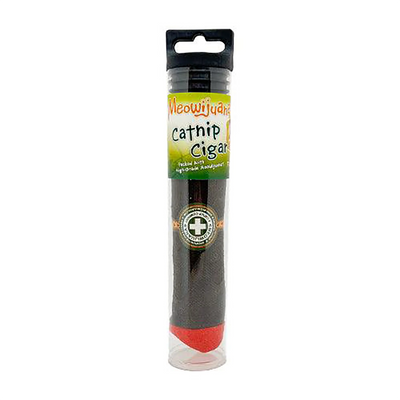
The social, bold profile that black cat owners report maps to a play style: these are frequently the cats that want to be with you, in the game, in the room, in the middle of whatever you're doing. Interactive play lands better than solo toys: wand sessions where you're the other player, kicker wrestling for the bold ones, and games with a social component. On the blend side, confident social cats usually handle the full range: stimulating blends for big play sessions, hybrids as the daily driver. Our blend-by-personality guide maps it, and the black-cat stereotype most often lands in the rocket or all-rounder columns.
For the House Panther

The October note
Every fall brings the same question: is it true shelters restrict black cat adoptions around Halloween? Policies vary; some shelters pause adoptions out of caution, many others use October to promote black cats instead. The practical takeaways for owners are simpler: keep black cats (all cats, really) indoors around Halloween week, when foot traffic, costumes, and open doors make escapes and mischief likelier, and if you've been considering adopting one, October's adoption promotions are a genuinely good time to do it. A holiday that celebrates their look plus a personality that celebrates you: the case makes itself.
The full coat-color guide covers the rest of the rainbow, and the same closing rule applies to every color in it: the folklore describes populations, and you live with an individual. The individual, in this case, is probably sitting on your keyboard.


