Spring is a beautiful time of year, but for some of our feline friends, it also marks the start of allergy season. Just like humans, cats can suffer from seasonal allergies triggered by environmental changes — especially when pollen levels rise. If your cat has been scratching more than usual, sneezing, or acting uncomfortable, spring allergies might be the reason.
Cats can develop allergies to a variety of things, including:
-
Tree, grass, and weed pollen
-
Mold spores
-
Dust and dust mites
-
Flea bites
-
Household cleaning products or scented candles
These allergens can trigger an immune response that results in a wide range of symptoms. Keep an eye out for signs like:
-
Excessive scratching or grooming
-
Red, irritated skin or hair loss
-
Sneezing, coughing, or wheezing
-
Watery or red eyes
-
Chewing at paws or shaking their head
-
Frequent ear infections or wax buildup
If your cat shows these signs consistently during the spring months, allergies are likely to blame. But the good news? There’s a lot you can do to help them feel better.
To reduce allergens and support your cat’s comfort at home:
-
Vacuum frequently, especially carpets, rugs, and furniture
-
Use a HEPA filter in your vacuum and consider an air purifier
-
Wash your cat’s bedding weekly with a gentle, fragrance-free detergent
-
Wipe down your cat’s fur and paws after outdoor exposure or time near open windows
-
Limit open window time during high-pollen days
-
Bathe your cat occasionally with a vet-approved hypoallergenic shampoo
In addition to environmental control, it’s important to reduce stress, which can worsen allergy symptoms. Try:
-
Creating quiet, cozy spaces for your cat to retreat
-
Keeping a consistent routine with feeding and playtime
-
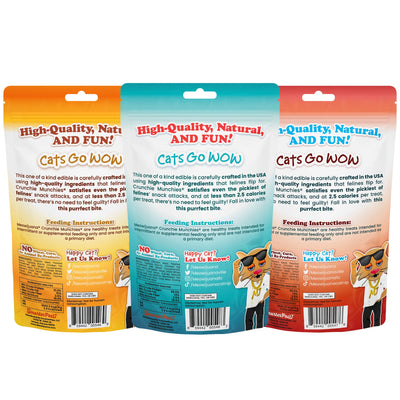
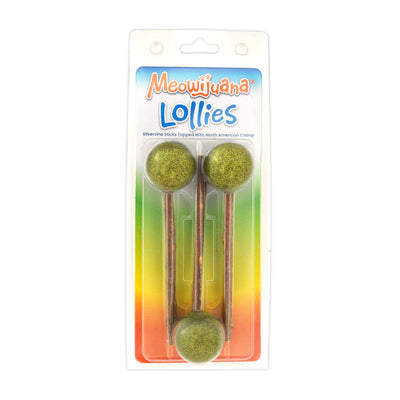
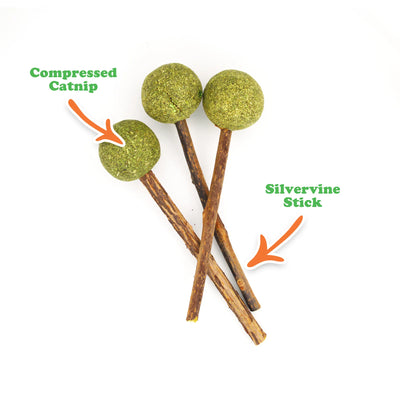
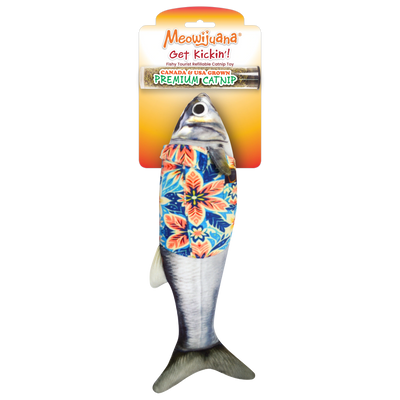
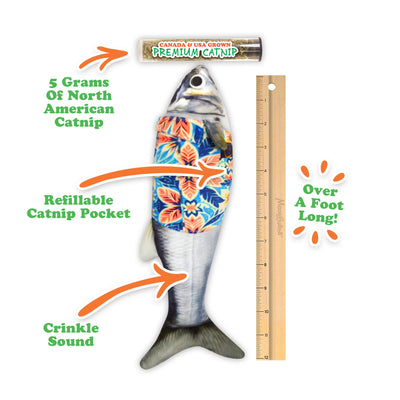
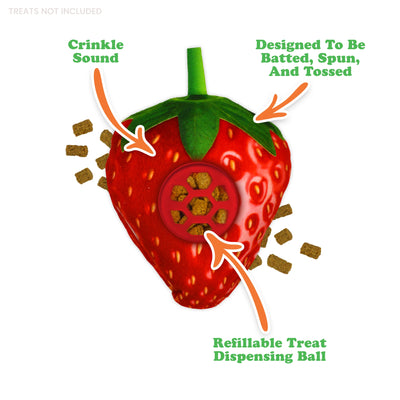
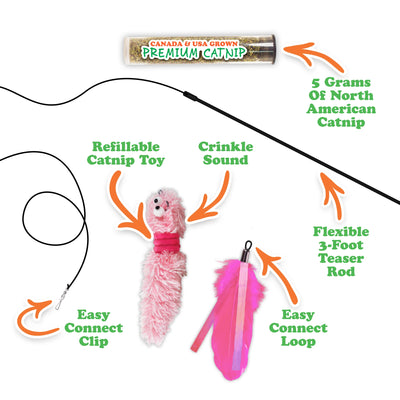
Offering calming toys, sprays, or treats (Meowijuana can help here!)
And, of course, don’t hesitate to consult your vet if symptoms persist. They may recommend:
-
Antihistamines (cat-safe only!)
-
Prescription allergy meds or immune support
-
Medicated wipes, sprays, or topical creams
-
Allergy testing or even special diets, in some cases
Spring should be a time of sunbathing, bird-watching, and lots of happy purring — not endless itching and sneezing. With a few adjustments and some extra tender loving care, you can help your cat stay comfortable all season long.