Somewhere between the pasta sauce and the takeout container, most cat owners eventually face the question: my cat just licked something with onion in it, how worried should I be? The honest answer is that onions are genuinely dangerous to cats, more than most human foods, and also that the details matter: the form, the amount, and how quickly you act all change the picture. Here's the complete version.
Can cats eat onions? The short answer
No, in any form or amount. Onions contain sulfur compounds (the same family that makes you cry when chopping them) that cats can't safely metabolize. Inside a cat, those compounds attack red blood cells and can trigger hemolytic anemia: the blood literally loses its ability to carry oxygen. Cats are more sensitive to this than dogs, and there's no amount that's established as safe.
How much onion is actually dangerous?
Toxicity scales with the dose relative to your cat's body weight, and it's cumulative: repeated small exposures build damage the same way one large one does. Practical translation for the common scenarios: a single lick of a sauce is a much lower-risk event than eating a piece of onion, but concentrated forms flip the math. Onion powder (in broths, gravies, baby food, chips, and nearly every savory leftover) packs far more onion per gram than the raw vegetable, which makes "just a little sauce" less innocent than it sounds.
The safe operating rule: no deliberate exposure ever, and for accidental exposure, call your vet with the details (what, roughly how much, when) rather than deciding alone that it was probably fine.
Every form counts
Cooking doesn't neutralize the sulfur compounds. Raw, cooked, fried, dehydrated, powdered: all toxic. The sneaky vectors cause most real incidents: broth and stock, gravy, seasoned meat, pizza, takeout of nearly every cuisine, chips and dips, and baby food (many meat varieties include onion powder, worth knowing if you ever use baby food to tempt a sick cat's appetite — check the label for plain-meat versions).
It's the whole allium family
Onions have relatives, and they're all on the list: garlic (gram for gram, several times more toxic than onion), chives, leeks, shallots, and green onions. Garlic deserves special mention because "a little garlic is good for pets" folklore still circulates: it isn't, and garlic powder is one of the most concentrated forms in your kitchen. If a food contains any allium, it's not cat food, full stop.
The symptoms and their timeline
Onion toxicity is sneaky because the serious signs lag the exposure. Early (hours): drooling, vomiting, diarrhea, appetite loss. The anemia signs arrive one to four days later, after red blood cells start breaking down: lethargy and weakness, pale or bluish gums, rapid breathing or heart rate, and dark or red-tinted urine, which is the classic flag. A cat that seemed fine the evening of the exposure can be genuinely sick three days later, which is exactly why exposures deserve a vet call even when the cat looks okay.
What to do if your cat ate onion
First, don't panic and don't induce vomiting on your own (that can cause its own harm). Call your vet or a pet poison hotline with the specifics: what food, estimated amount, your cat's weight, and when it happened. For meaningful exposures caught early, vets can limit absorption; for developing anemia, supportive care up to and including transfusion in severe cases gives cats a good recovery path. There's no home antidote, but "no antidote" doesn't mean "no treatment": caught early, most cats do well. The expensive mistake is waiting to see.
Prevention that actually works
The boring list beats the emergency: savory leftovers get cleared or covered, counters get patrolled during cooking, the trash can closes, and nobody shares seasoned human food with the cat no matter how good the sad eyes are. If your household likes a full poison-proofing pass, our poison-proofing guide covers the rest of the kitchen and the house beyond it.
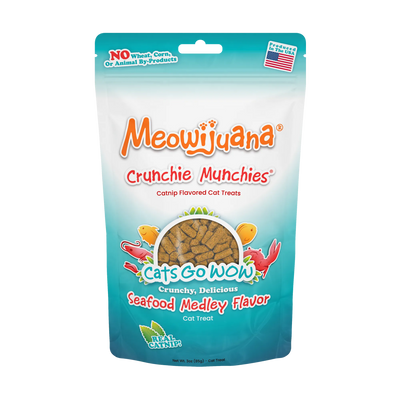
And for the moments the sad eyes win: keep a cat-safe answer on hand. A proper cat treat redirects the beggar better than a "harmless" scrap ever did, with none of the label-reading.
The Safe Answer to Begging