


Your cat can get a little plaque-scraping out of dental treats, but only if they bother to chew them, and plenty of cats inhale theirs before you've closed the bag. Even a well-chewed treat only scrapes the teeth it touches, and nothing in a treat bag will shift hardened tartar or fix sore gums. Keep the treats coming for fun, and leave the heavy lifting to a toothbrush and your vet.
What Chewing Does to Plaque and Tartar
Every time your cat finishes dinner and strolls off licking their chops, a soft, sticky film of bacteria called plaque starts building up on their teeth. While it's still soft, a bit of friction can knock some of it loose. So when your kitty crunches a textured treat or gnaws on a silvervine stick, the rubbing scrapes away some of that film, and all that chomping gets the saliva flowing to rinse things out.
It's the same reason feral and wild cats don't usually have this problem. Fur and feathers are nature's toothbrush, so a cat that hunts for itself gets a good scrub with almost every meal. Cats in managed feral colonies, who mostly eat what people put out for them, can still run into it, and so can your house panther, whose dinner comes in a bowl.
Plaque doesn't stay soft for long, though. Once it hardens into tartar, your cat could chew all day and it wouldn't budge. If you've ever watched your cat work on a stick, you'll have seen them shove it to the back of the mouth and grind away on one side, so the gumline, the inside surfaces, and those tiny front teeth barely get a look-in.
That's why so many dental treats flop. Most cats treat a treat like a race, and a biscuit swallowed whole in two seconds barely touches a tooth, whatever it says on the bag. You'll only see any benefit if your furbaby sticks with it long enough to gnaw properly.

Is Silvervine Good for Cats' Teeth?
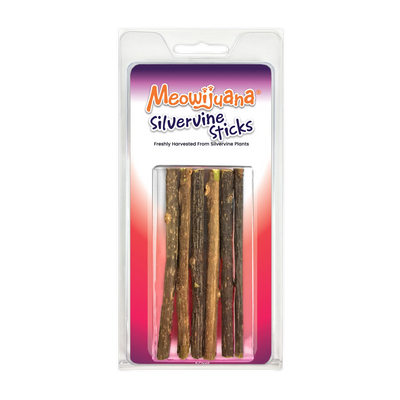
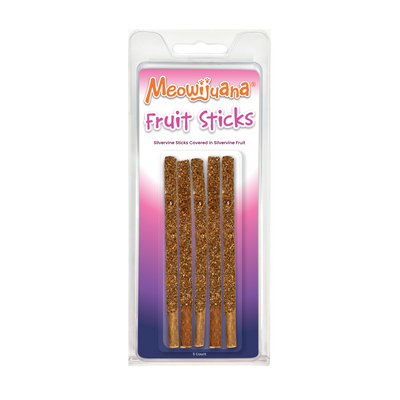
Our Silvervine Sticks are chew toys, plain and simple. When your cat gnaws on one, the wood rubs against the teeth it touches and gets the saliva going, so a little plaque can come off along the way. That's a nice bonus, but a stick won't shift tartar or soothe sore gums, and it's no substitute for brushing or a professional cleaning.
Silvervine is a climbing plant from the mountains of East Asia, where it's known as matatabi, and plenty of cats go full goofball over its scent. Roughly one in three cats don't react to catnip at all, and a lot of those still respond to silvervine, so if yours has always snubbed the 'nip, our catnip alternatives are a great place to start. Peel back a little of the outer bark to release more of the aroma. Remember that the scent only gets your cat interested, though. A kitty who spends ten minutes rubbing a stick on their face is having the time of their life, but their teeth aren't getting cleaned. For the full story on how cats use them, from first sniff to worn-out stick, our silvervine sticks guide goes deeper.

How Silvervine Chew Toys Differ From Baked Dental Treats
A baked dental treat is food, so your cat crunches it, swallows it, and it counts toward their daily calories. A silvervine stick is a toy. Your cat chews it, bats it around, and drools on it a bit, but it isn't meant to be eaten, and the whole draw is the scent and the play. Neither one replaces a toothbrush.
Chew toys cats actually use
What Toys and Treats Can't Replace
Brushing is still the best way to clear plaque at home, because a toothbrush reaches the gumline and all the spots a chew misses. Yes, your cat will probably look at you like you've lost your mind the first time you try. Once tartar has set in, though, only your vet can get it off safely, with a professional cleaning that reaches below the gumline, where most of the trouble starts.
Cats are experts at hiding pain, so keep an eye out for stinky breath, red or puffy gums, drooling, dropping food, or chewing on one side. If you spot any of those, or you can see yellow-brown buildup on the teeth, book your cat in for a vet checkup. A chew toy won't undo damage that's already there.

How to Choose a Chew Your Cat Will Use
The best chew is whichever one your cat will use, so start by watching what already grabs their attention. Here's what to look for:
- Test the response: Wait until your kitten is about six months old, because younger kittens rarely react, and it'd be a shame to write silvervine off before your little one is old enough to enjoy it. After that, offer a stick and see whether your cat bites it or just sniffs and rubs.
- Match the texture: Some cats love a firm, woody chew, and others would rather crunch a treat. Senior cats and kitties with sore mouths can go off hard chews, so mention it to your vet if yours suddenly does. Our guide to keeping senior cats entertained has gentler ideas.
- Look for steady chewing: A few minutes of gnawing does far more than a quick lick or a gulped biscuit.
- Supervise and check: Always keep an eye on your cat while they're chewing, and swap out sticks that splinter or wear down to small pieces. Count treats toward their daily calories too.
- Rotate toys: Swapping toys in and out keeps things new, so your cat keeps coming back. Our interactive cat toys guide has plenty more ideas.
Building Dental Play Into a Daily Enrichment Routine
A lot of cat parents hand over a stick after a play session, when their kitty's winding down, or leave one out during the quiet hours and tuck it away afterward so it stays exciting. Pair chew time with a short brushing session a few times a week, and build up slowly with plenty of praise (and maybe a treat or two).
Indoor cats need plenty of scent-based play like this to keep boredom at bay, and a lot of them would love a bit of fresh air too. If you'd like to take your kitty outside safely, Pink Papyrus makes cat harness and leash sets in some seriously pretty designs.
Start indoors with a few short sessions so your cat gets used to the feel, and reward them with a treat every time. Once they're strutting around the living room like they own it, try a quiet corner of the yard, and stay right beside them the whole time. Take the harness off as soon as you're back inside, and do not leave it on an unsupervised cat, because it can snag on furniture.
For calmer moments, spread a little wet food on one of their lick mats and your cat gets a slow, soothing snack to focus on. Their blog is full of cat care and behavior guides too, if you're after more ideas for keeping your furbaby entertained.
How Meowijuana Got Started
Back when we started out in Kansas City, the cat aisle was mostly fuzzy brown mice. Our founder figured cats (and their people) deserved a lot more fun than that, so he set out to bring some humor to a category that had barely changed in decades.
Catnip goes stale fast once air gets to it, and most stuffed toys have lost their kick before you've even brought them home. So we made toys with a pocket you refill with fresh catnip right before playtime. We were the first to do it, and plenty of brands have copied the idea since. Over the years we've rolled out blends for different moods and types of cats, including silvervine and valerian root for the ones who couldn't care less about catnip, and today you'll find us in more than 7,000 stores.
If your cat loves their silvervine stick, let them enjoy it as playtime, keep brushing when you can, and book a dental check whenever you notice tartar, sore gums, or a change in how they eat.


