


Calico cats collect reputations the way their coats collect colors: spirited like their tortoiseshell sisters, sweeter around the edges, and luckier than every other cat in the folklore department. Some of that is story, some of it is genuinely written in the genetics, and sorting the two is the fun of the whole coat-personality series. Here's the calico edition.
What makes a calico a calico
A calico is the tortoiseshell recipe plus one more gene. The base is the same two-X-chromosome requirement: black and orange pigment at once, which is why calicos, like torties, are almost all female (the rare males usually carry an extra chromosome). The addition is a white-spotting gene, which switches pigment off entirely in patches, and that changes the whole look: where a tortie's black and orange swirl together, the white pushes the colors apart into the distinct patchwork blocks calicos are famous for. Same unrepeatable X-inactivation mosaic underneath, so no two calicos have ever matched either; the white just gives the one-off pattern cleaner edges.
The personality folklore (and the footnote it shares with torties)
Calicos inherit a milder read of the tortie reputation: spirited, confident, affectionate on their own schedule, with the sass dialed down a notch from full tortitude. The evidence situation is identical, because the owner-report research that put tortitude on the map grouped tortoiseshells and calicos together: owners of both described feisty behaviors somewhat more often than other colors, with the same honest caveats attached (modest effect, owner perception, reputation feeding the reports). So the fair summary is the same one torties get: a real signal, gently sized, wrapped in a lot of story. The coat starts the conversation; your actual cat finishes it.
The luck résumé
No coat has better press. In Japan, the calico is the classic maneki-neko, the beckoning cat raising a paw in shop windows to invite good fortune, and calicos were prized as ship's cats said to protect vessels at sea. The "money cat" nickname followed the luck story into American folklore. None of it predicts temperament, but it's a genuinely charming inheritance, and it says something that humans across centuries kept picking this particular coat to represent good fortune. Your calico, of course, already knew.
Calico vs orange: the comparison people search
It's a sibling rivalry written in the same gene: the orange patches on a calico run on exactly the X-linked pigment that makes orange cats the famous goofballs, so the folklore version says a calico is an orange cat's chaos managed by a committee. The honest version: orange's friendly reputation partly tracks its heavy male skew, calicos are nearly all female, and the two reputations differ about as much as the demographics do. For any individual cat, the demographic tells you less than one week of actually watching them play.
Playing to the calico profile
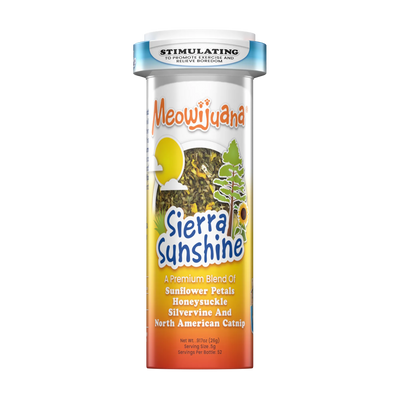
If your calico runs spirited, treat sessions like the tortie playbook: committed play with real finishes, wrestle targets that can take enthusiasm, and the stimulating lane when the engine is up, with Kalico Kush being the blend that borrowed the coat's name for exactly that bright-energy personality. The gentler calicos do fine in the hybrid lane, and the blend-by-personality guide sorts it by the cat in front of you rather than the coat they arrived in.
For the Lucky Ones


So what does the patchwork tell you?
That your cat is female (almost certainly), genetically one of a kind (literally), and carrying the best folklore in the species (demonstrably). On personality it tells you where the stories start, nothing more, which is the running verdict of the whole coat-color personality guide. Whoever your calico turns out to be, the blend lineup runs from mellow to maximum, and somewhere in it is the one that matches the cat under the patchwork.


