Meowijuana

Are Your Houseplants Toxic to Cats? The Big Five, Checked

· · 5 min read

Pothos, monstera, peace lily, snake plant, spider plant: the five houseplants every cat owner eventually Googles at 11 PM. Here's the honest verdict on each, the one lily distinction that genuinely matters, and the redirect that saves both the plants and the cat.

Every cat household eventually has the 11 PM moment: the cat is chewing a leaf, the phone comes out, and the search reads "is pothos toxic to cats." The answers online run from shrugs to sirens, so here's the calibrated version for the five plants people actually ask about, plus the one lily rule that outranks everything else on this page.

First, the rule that actually matters: true lilies

Before the big five: if there is a true lily in your house (Easter lily, tiger lily, Asiatic lily, daylily, anything in the bouquet that came with pollen-heavy trumpet flowers), that is the genuinely dangerous plant. For cats, true lilies can cause kidney failure from small exposures, including pollen groomed off fur or a drink from the vase water, and any suspected contact is an immediate vet call, not a wait-and-see. None of the five plants below is in that category, and the most common confusion on this list exists precisely because one of them borrowed the name.

The big five, checked

Pothos: toxic, in the irritating sense. The leaves carry insoluble calcium oxalate crystals, which punish a chew with immediate mouth and throat irritation: drooling, pawing at the face, sometimes vomiting. It's painful and dramatic, rarely dangerous, and the drama is self-limiting because the first bite is unpleasant enough that most cats don't go back for seconds. Vet call if symptoms don't settle or swallowing seems difficult.

Monstera: same story as pothos. Same oxalate crystals, same oral irritation, same usually-self-limiting outcome. The giant leaves make it a tempting batting target, so placement matters more than panic.

Peace lily: the name is the scariest thing about it. Despite the name, a peace lily is not a true lily, and it does not cause the kidney failure true lilies do. It's another oxalate plant: chewing brings the same mouth irritation as pothos. Treat it with pothos-level caution, not lily-level alarm, and reserve the alarm for the actual lilies above.

Snake plant: mildly toxic. The saponins in snake plants can cause nausea, vomiting, or diarrhea if a cat eats enough, which most won't, because the leaves are tough and bitter. Real but low-grade; a nibbled tip is an observation situation, not an emergency.

Spider plant: the safe one, famously. Non-toxic to cats, and notoriously attractive to them; many cats chew spider plants enthusiastically and the worst common outcome is a hairball-style vomit from eating too much greenery. If a cat is going to own one houseplant, this is the one.

The verdicts, plant by plant

Click yours. (Any TRUE lily: skip the widget, call the vet.)

🌿
Pothosirritant
Oxalate crystals, dramatic but self-limiting
A chew brings immediate mouth and throat irritation: drooling, face-pawing, sometimes vomiting. Painful, rarely dangerous, and the first bite usually prevents a second. Vet call if symptoms persist or swallowing looks difficult. Keep it hanging, out of batting range.
🍃
Monsterairritant
Same chemistry as pothos
Same oxalate crystals, same oral-irritation outcome. The big leaves invite batting, so placement beats panic: elevate it or fence it, and give the chewing urge a legal target instead.
🕊️
Peace lilyirritant, NOT a true lily
The scariest thing about it is the name
Not a true lily, and not the kidney-failure plant true lilies are. It's another oxalate irritant: pothos-level caution applies. Save the alarm for actual lilies (Easter, tiger, Asiatic, daylily), where ANY contact, including pollen or vase water, is an immediate vet call.
🪴
Snake plantmildly toxic
Tough, bitter, rarely eaten in quantity
Saponins can cause nausea or GI upset if enough is eaten, which the tough bitter leaves usually prevent. A nibbled tip is an observe-and-watch situation; repeated vomiting is the vet trigger.
🕷️
Spider plantsafe
The free pass cats love anyway
Non-toxic, and famously attractive to cats; overenthusiastic grazing can produce a greenery vomit and nothing worse. If the chewing habit needs a better outlet than your décor, a pot of cat grass and the safe-plants list are the upgrade path.

What to do when a leaf gets chewed

For the oxalate plants (pothos, monstera, peace lily): remove the plant access, offer water, and expect the drooling and face-pawing to settle within a few hours; a vet call is warranted if symptoms persist, swallowing looks difficult, or vomiting continues. For snake plant: watch for GI upset and call if it's more than a single episode. For anything you can't identify, or any true-lily contact at all: vet, immediately, with a photo of the plant. The general rule that keeps 11 PM calm: know what you own, and keep the irritators out of batting range rather than trusting a cat's judgment.

The redirect that saves the plants too

Cats chew greenery because the instinct is real, and the winning move is a legal target rather than a standoff: a pot of cat grass gives the habit somewhere safe to land, and the chewers who want more variety have the whole safe-plants-beyond-catnip list to work through. Our cat-safe houseplants roundup covers the decorating side: what to buy instead of what to defend.

For the Plant Chewers
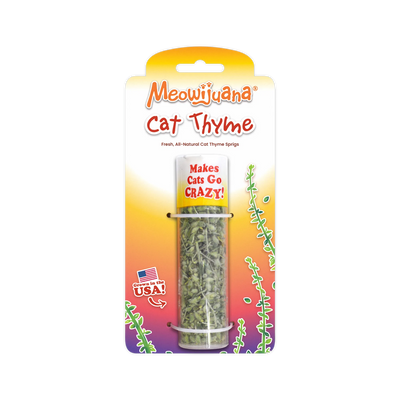
Packaged cat thyme sprigs in a container with label.
Cat Thyme Sprigs
$ 4.20
Meowi-Waui catnip product in a pill bottle-style container, labeled as a premium North American catnip bud shake.
Meowi-Waui
$ 9.99
Meowijuana Catnip Buds jar with premium hand-trimmed North American catnip for cats' enjoyment.
Jar Catnibas® Catnip Buds
$ 21.99

The bottom line

True lilies are the emergency; the famous five are mostly an irritation-and-placement problem; spider plants are the free pass. A grass pot and a stocked herb shelf turn most plant-chewers into former plant-chewers, which is the outcome the monstera was hoping for all along.

Frequently asked questions

Is pothos toxic to cats? +
Yes, as an irritant: the leaves carry insoluble calcium oxalate crystals that cause immediate mouth and throat irritation when chewed (drooling, face-pawing, sometimes vomiting). It's painful but rarely dangerous, and usually self-limiting. Call the vet if symptoms persist or swallowing looks difficult.
Is monstera toxic to cats? +
Yes, in the same way as pothos: calcium oxalate crystals cause oral irritation when chewed, which is unpleasant but rarely serious. Placement out of batting range plus a legal chewing target (like cat grass) handles most monstera-and-cat households.
Are peace lilies dangerous for cats like real lilies? +
No, and the name causes real confusion. A peace lily is not a true lily and does not cause the kidney failure true lilies do; it's an oxalate irritant like pothos. True lilies (Easter, tiger, Asiatic, daylily) are the genuine emergency: any contact, including pollen or vase water, means an immediate vet call.
Are snake plants toxic to cats? +
Mildly. The saponins can cause nausea, vomiting, or diarrhea if a cat eats enough, which the tough, bitter leaves usually discourage. A nibbled tip is a watch-and-observe situation; repeated GI upset is the vet trigger.
Are spider plants safe for cats? +
Yes, spider plants are non-toxic to cats, and cats famously love chewing them. The worst common outcome is a greenery vomit from overenthusiastic grazing. For dedicated plant-chewers, a pot of cat grass gives the habit an even better legal target.

The SmarterPaw Team

We're the team behind Meowijuana — found in 7,000+ retailers worldwide including PetSmart, Petco, and Walmart. Founded in 2015 in Lenexa, Kansas.

Share
← Back to Meowijuana Blogs & News

Leave a comment

Please note, comments need to be approved before they are published.