


Updated for 2026 — this guide reflects current catnip quality standards, sourcing best practices, and how to spot premium catnip in today's market.
What is Catnip?
Catnip, scientifically known as Nepeta cataria, is a perennial herb from the mint family that has a profound effect on many cats. The active compound in catnip, nepetalactone, binds to receptors inside a cat's nose, which then stimulates sensory neurons leading to a temporary euphoric reaction. This reaction can include behaviors such as rolling, rubbing, purring, and even drooling. Not all cats are affected by catnip; sensitivity to it is hereditary, and about 50-70% of cats will respond to it. The effects typically last for about 10-15 minutes, after which the cat becomes temporarily immune to its effects.
Benefits of Catnip for Cats
Catnip offers a variety of benefits for our feline friends. One of the primary advantages is mental stimulation. Cats, especially indoor ones, can become bored and under-stimulated, leading to behavioral issues. Catnip can provide a much-needed mental boost, encouraging playful behavior and exploration. Additionally, catnip can promote physical exercise. When cats play with catnip toys or chase after catnip-infused items, they get a good workout, which is essential for maintaining a healthy weight and overall well-being. Another significant benefit is stress relief. Catnip can help reduce anxiety and stress in cats, making it a useful tool for situations that might otherwise be stressful, such as vet visits or moving to a new home.
Types of Catnip Products
Dried Catnip
Dried catnip is one of the most common forms available. It consists of the dried leaves and flowers of the catnip plant, which can be sprinkled on the floor, added to toys, or used to refresh old catnip toys. Dried catnip is versatile and easy to store, making it a convenient option for many cat owners. It can be used to encourage cats to use scratching posts or to entice them into carriers. When choosing dried catnip, look for products that are organic and free from additives to ensure the best quality and potency.
Catnip Toys
Catnip toys come in various shapes and sizes, from simple stuffed mice to elaborate interactive toys. These toys are infused with catnip, either by filling them with dried catnip or by using catnip-infused materials. Catnip toys are excellent for encouraging play and exercise, as they stimulate a cat's natural hunting instincts. Some toys are designed to be refilled with fresh catnip, extending their usefulness. When selecting catnip toys, consider your cat's preferences and play style. Some cats may prefer soft, plush toys, while others might enjoy more interactive options.
Catnip Sprays
Catnip sprays are a convenient alternative to dried catnip. These sprays are made by extracting the essential oils from the catnip plant and diluting them with water. Catnip sprays can be used to refresh old toys, scratching posts, or bedding. They are also useful for training purposes, such as encouraging cats to use certain areas or items. When using catnip spray, it's essential to follow the manufacturer's instructions to avoid overuse. Look for sprays that use natural ingredients and avoid those with artificial additives.
Meowijuana® Blend Profiles: Stimulating, Relaxing, and Hybrid
Not all catnip is the same potency or profile. Meowijuana® blends fall into three categories, and knowing which one fits your cat makes choosing a lot more useful than picking by packaging alone.
Stimulating blends are high-potency and designed for cats that respond strongly. Purrple Passion and Kalico Kush are in this category: intense, aromatic, the kind that make a strong responder genuinely lose their mind. If your cat has a wild reaction to any catnip, start here.
Relaxing blends pair catnip with calming herbs. Mice Dreams uses lavender and passion flower alongside catnip. The nepetalactone still triggers the response, but the herbs soften the landing. Good for older cats, anxious cats, and mild responders who get more out of a sustained calm than a 10-minute sprint.
Hybrid blends split the difference. Meowi Waui is the most popular starting point for cats you haven't characterized yet. Garden Pawty leans more herbal and works well as a second blend once you've confirmed your cat responds.
Meowijuana® Catnip Blends

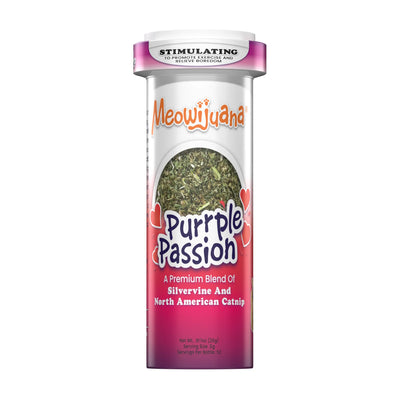
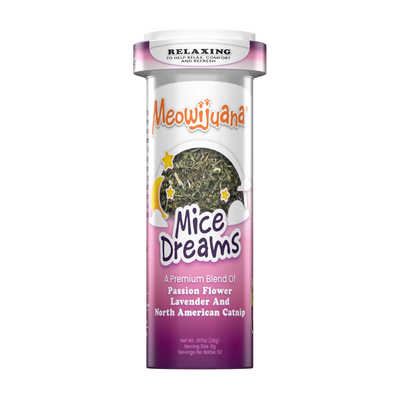
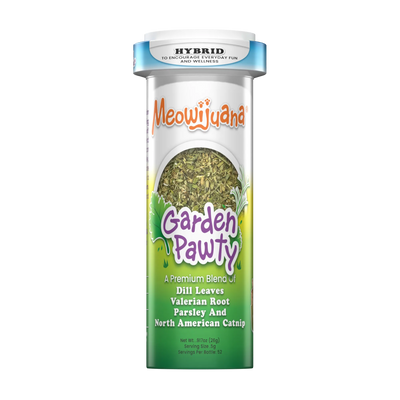

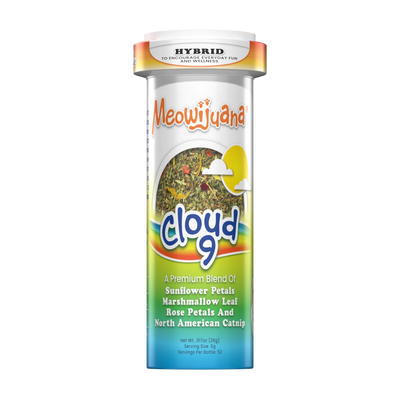
Freshness matters more than most people realize. Nepetalactone degrades with exposure to light and air, so a high-potency blend left open for months will underperform a milder one that's still sealed. Store blends in an airtight container away from direct light.
Not sure which profile fits your cat? The tool below helps narrow it down based on how your cat responds.
Loose Blend, Spray, or Compressed: Which Form Fits Your Situation
Beyond the blend itself, the form you choose changes how your cat interacts with the catnip. They're not interchangeable, and each has a specific use case.
How to Choose the Best Catnip
Quality of Catnip
When selecting catnip, quality is paramount. High-quality catnip is typically organic, free from pesticides, and contains a high concentration of nepetalactone. Organic catnip is grown without synthetic fertilizers or pesticides, making it a safer option for your cat. The potency of catnip can vary, so look for products that are labeled as high-potency or premium. Freshness is also crucial; older catnip may lose its effectiveness over time. Check the packaging for a harvest date or expiration date to ensure you are getting the freshest product possible.
Safety Considerations
While catnip is generally safe for cats, there are a few safety considerations to keep in mind. Overuse of catnip can lead to digestive upset or decreased sensitivity to its effects. It's essential to use catnip in moderation and provide it as an occasional treat rather than a daily indulgence. Some cats may be allergic to catnip, so monitor your cat for any signs of an adverse reaction, such as vomiting or diarrhea. If your cat shows any signs of an allergy, discontinue use and consult your veterinarian.
How to Introduce Catnip to Your Cat
Observing Your Cat's Reaction
When introducing catnip to your cat for the first time, it's essential to observe their reaction. Start with a small amount of dried catnip or a catnip toy and watch how your cat responds. Some cats may immediately show signs of excitement and playfulness, while others may be indifferent. If your cat doesn't react to catnip, don't be discouraged; they may be among the percentage of cats that are not sensitive to it. It's also possible that your cat may need a few exposures before showing a reaction.
Dosage and Frequency
To ensure your cat enjoys the benefits of catnip without any adverse effects, it's important to use it in moderation. A small pinch of dried catnip or a few sprays of catnip spray is usually sufficient. For catnip toys, allow your cat to play with them for a short period before putting them away. This helps maintain the toy's novelty and prevents overexposure. As a general guideline, offer catnip to your cat once or twice a week. This frequency allows your cat to enjoy the effects without becoming desensitized.
Alternatives to Catnip
Silvervine
Silvervine (Actinidia polygama) is an excellent alternative to catnip, especially for cats that do not respond to catnip. Silvervine contains two compounds, actinidine and dihydroactinidiolide, which can elicit a similar euphoric response in cats. It is available in various forms, including sticks and toys. Silvervine can provide mental stimulation and encourage play, much like catnip. Some studies suggest that silvervine may be even more effective than catnip, with a higher percentage of cats responding to it.
Valerian Root
Valerian root (Valeriana officinalis) is another alternative to catnip that can have a calming effect on cats. The active compound in valerian root, actinidine, is similar to nepetalactone in catnip. Valerian root can be used to reduce anxiety and stress in cats, making it a useful tool for situations such as vet visits or thunderstorms. It is available in dried form, as well as in toys and sprays. When using valerian root, it's important to use it in moderation, as excessive use can lead to digestive upset.
Tatarian Honeysuckle
Tatarian honeysuckle (Lonicera tatarica) is a lesser-known alternative to catnip that can be highly effective for some cats. The wood of the Tatarian honeysuckle plant contains compounds that can elicit a euphoric response in cats. It is available in the form of chew sticks and toys. Tatarian honeysuckle can provide mental stimulation and encourage play, much like catnip and silvervine. It is a good option for cats that do not respond to catnip or other alternatives.
Common Myths About Catnip
There are several common myths and misconceptions about catnip that are worth debunking. One myth is that catnip is addictive for cats. In reality, catnip is not addictive, and cats do not develop a dependency on it. Another misconception is that catnip is harmful to cats. While overuse can lead to mild digestive upset, catnip is generally safe and non-toxic. Some people believe that all cats respond to catnip, but as mentioned earlier, sensitivity to catnip is hereditary, and not all cats will react to it. Finally, there is a myth that catnip loses its effectiveness over time. While dried catnip can lose potency if not stored properly, fresh catnip and high-quality products can maintain their effectiveness for a long time.
If your cat doesn't respond to catnip, our silvervine sticks guide covers what else to try. For technique and safety with sprays, the catnip spray guide goes deeper. And for pairing herbs with the right toys, the best catnip toys guide has the full lineup.


