


Quick answer: silvervine is a plant-based stimulant from East Asia that affects cats similarly to catnip, but stronger. About 80% of cats respond, compared to 50-70% for catnip, and the reaction is often more intense and longer-lasting. The active compounds (actinidine and dihydroactinidiolide) trigger a euphoric response that lasts 5-30 minutes.
What is Silvervine? A Natural Feline Stimulant
Silvervine, scientifically known as Actinidia polygama, is a climbing plant native to the mountainous regions of China, Japan, and Korea. Sometimes called "Japanese catnip," it has been used in traditional medicine for centuries and is now recognized by cat owners worldwide as a powerful natural stimulant.
Unlike catnip, which relies on a single active compound (nepetalactone), silvervine contains two active compounds, actinidine and dihydroactinidiolide, that trigger a response in cats. This dual-action effect makes silvervine particularly useful for cats that don't react to catnip. Studies suggest that up to 80% of cats respond to silvervine, compared to the 50-70% response rate for catnip.
Silvervine is available in various forms: powdered fruit, chew sticks made from the plant's stems, and toys infused with its essence. Its natural properties make it a safe, effective way to enrich a cat's environment, providing mental stimulation and encouraging physical activity. As more cat owners seek ways to keep their pets happy and healthy, silvervine has become a staple in modern feline care.
How Silvervine Affects Cats: The Science Behind the Reaction
The effects of silvervine on cats are rooted in its unique chemical composition. The two active compounds, actinidine and dihydroactinidiolide, interact with a cat's olfactory system, triggering a cascade of neurological responses. When a cat sniffs or ingests silvervine, these compounds bind to receptors in the vomeronasal organ, a specialized sensory organ located in the roof of the mouth. This organ is responsible for detecting pheromones and other chemical signals, making it highly sensitive to silvervine's active ingredients.
Once the compounds are detected, they stimulate the brain's amygdala and hypothalamus, areas associated with emotion and behavior. This stimulation results in a range of reactions, from heightened playfulness to a state of relaxed euphoria. The effects are not limited to sniffing: cats can experience similar reactions when they chew on silvervine sticks or rub against toys infused with its powder.
Research has shown that silvervine's effects are temporary, typically lasting between 5 to 30 minutes. After this period, cats enter a refractory phase during which they are temporarily unresponsive to further exposure. This ensures that silvervine remains a safe and non-addictive stimulant for feline enrichment.
Common Behaviors Cats Exhibit When Exposed to Silvervine
When exposed to silvervine, cats often display a variety of entertaining and endearing behaviors. These reactions are a clear indication of the plant's stimulating effects and can vary from one cat to another. Some of the most common behaviors include:
- Rolling and Rubbing: Cats frequently roll on the ground or rub their faces and bodies against the source of silvervine. This behavior is thought to be a way of marking the object with their scent while enjoying the tactile stimulation.
- Drooling: Some cats may drool excessively when exposed to silvervine, a sign of heightened sensory excitement.
- Increased Playfulness: Many cats become more active, chasing toys, pouncing, or engaging in mock hunting behaviors. This burst of energy is a great way to encourage physical activity.
- Kneading and Purring: For some cats, silvervine induces a state of relaxation, leading to kneading motions and contented purring.
- Chewing and Licking: Cats often chew on silvervine sticks or lick toys coated with its powder, further enhancing their sensory experience. Chewing on the sticks also supports dental health: the abrasive contact helps knock tartar off teeth over time.
These behaviors are not only amusing to watch but also beneficial for a cat's mental and physical well-being. They provide an outlet for natural instincts, reduce stress, and promote a sense of happiness.
Silvervine vs. Catnip: Key Differences and Similarities
Catnip contains a single active compound, nepetalactone. Silvervine has two: actinidine and dihydroactinidiolide. That difference in chemistry is why silvervine tends to produce stronger, longer-lasting effects and why more cats respond to it.
The response rate difference is significant. While approximately 50-70% of cats react to catnip, studies suggest that up to 80% of cats respond to silvervine. Additionally, silvervine's effects are often described as more intense and longer-lasting than those of catnip. That said, some cats respond strongly to catnip and barely at all to silvervine: individual variation is real. For a full head-to-head breakdown, see silvervine vs. catnip: which is better for your cat.
Despite these differences, both plants share similarities in their ability to stimulate a cat's olfactory system and elicit playful or euphoric behaviors. Both are safe, non-addictive, and available in various forms, including toys, sprays, and powders.
Benefits of Silvervine for Cats
Silvervine offers a range of benefits that go beyond simple entertainment. Its stimulating properties can have a positive impact on a cat's overall well-being:
- Stress Relief: Silvervine can help reduce anxiety and stress in cats, making it particularly useful in multi-cat households or during stressful events like vet visits or moving.
- Mental Stimulation: The plant's effects engage a cat's senses, providing much-needed mental enrichment and preventing boredom.
- Physical Activity: By stimulating playful behaviors, silvervine helps cats stay active, which is essential for maintaining a healthy weight and preventing obesity. This is especially useful for older, overweight, or sedentary cats.
- Dental Health: Chewing on silvervine sticks helps scrape plaque and tartar from teeth, supporting better oral health over time.
- Strengthening the Human-Cat Bond: Using silvervine during playtime can enhance the bond between cats and their owners, creating positive shared experiences.
Incorporating silvervine into a cat's routine is an easy and effective way to promote a happy, healthy lifestyle.
How to Safely Introduce Silvervine to Your Cat
Introducing silvervine to your cat is a straightforward process, but it's worth doing responsibly. Here's a step-by-step guide:
- Start Small: Begin with a small amount of silvervine powder or a single chew stick to gauge your cat's reaction.
- Choose the Right Product: Opt for high-quality, natural silvervine products free from additives or artificial ingredients.
- Observe Your Cat: Monitor your cat's behavior closely during the first exposure to ensure they respond positively.
- Limit Exposure: Use silvervine sparingly, as overexposure can reduce its effectiveness over time. A few times a week is sufficient.
- Incorporate into Playtime: Introduce silvervine during interactive play sessions to maximize its benefits.
By following these steps, you can ensure a safe and enjoyable experience for your feline friend.
Are There Any Risks or Side Effects of Silvervine?
While silvervine is generally safe for cats, there are a few potential risks to be aware of. Overexposure can lead to desensitization, reducing its effectiveness over time. Additionally, some cats may experience mild gastrointestinal upset if they ingest large quantities of silvervine powder or chew sticks.
In rare cases, cats may have an allergic reaction to silvervine, resulting in symptoms like sneezing, coughing, or skin irritation. If you notice any unusual behavior or symptoms, discontinue use and consult your veterinarian.
As with any new product, moderation is key. Used a few times a week in reasonable amounts, silvervine is safe for most cats.
Meowijuana® Silvervine Products
Meowijuana® sources silvervine sticks directly from the stems of the Actinidia polygama plant. All products are free from additives and artificial ingredients. The sticks are a natural starting point for cats new to silvervine: offer one during a calm moment, stand back, and let your cat explore at their own pace.
Meowijuana® Silvervine
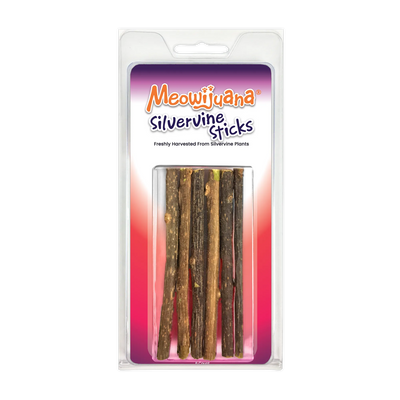
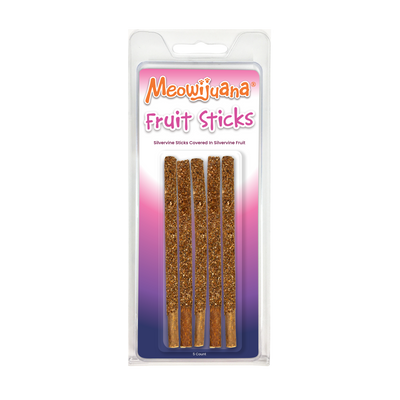
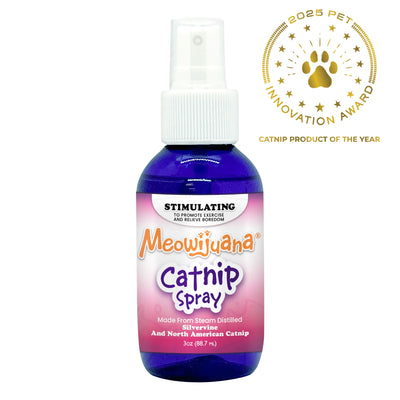
Not sure which form to start with? The guide below breaks down when to use each one.
Fun Ways to Use Silvervine to Enrich Your Cat's Life
Silvervine can be incorporated into your cat's routine in a variety of ways:
- Sprinkle silvervine powder on homemade toys or a cardboard box to create an instant enrichment station
- Use silvervine-infused toys during play sessions to encourage active engagement
- Apply silvervine powder to scratching posts to make them more appealing
- Add a small amount to your cat's bedding for a calming effect before rest
These activities not only provide mental and physical stimulation but also strengthen the bond between you and your cat.
For a closer look at silvervine in stick form specifically, the silvervine sticks guide covers sourcing, usage, and how sticks compare to powder and spray. If your cat isn't responding to catnip and you're deciding what to try next, the silvervine vs. catnip comparison lays out the differences clearly.


