Doggijuana

How to Keep a Senior Dog Active and Engaged

· · 6 min read

A senior dog that sleeps more isn't a dog that needs less. The engagement need stays; the delivery changes. Low-impact activities, why scent work is the senior superpower, and a daily rhythm that respects old joints.

Somewhere around the gray-muzzle years, most dog households quietly renegotiate the deal: shorter walks, longer naps, fewer games. Some of that is right and kind. But there's a common overcorrection hiding in it, because a senior dog that sleeps more isn't a dog that needs less engagement. The need stays; the delivery changes. Dogs that keep gentle physical activity and real mental work into old age stay mobile longer, stay sharper longer, and are simply happier. Here's the senior version of the enrichment playbook.

The renegotiation: intensity down, frequency up

The single best structural change for a senior dog is swapping one long daily outing for several short ones. Two or three ten-minute gentle walks beat one forty-minute march: less joint load per session, more arousal-and-rest cycles per day, and more of the sniffing that old dogs love. Watch the dog, not the clock: a senior who's slowing mid-walk isn't being stubborn, they're reporting. Let them set the pace and the route, and treat stiffness after rest (especially mornings) as a vet conversation, since arthritis is common, underdiagnosed, and genuinely treatable.

Scent work: the senior superpower

Here's the joyful part of dog aging: the nose retires last. Long after the sprint is gone, the olfactory system remains world-class, which makes scent work the perfect senior activity: it's zero-impact, it's mentally exhausting in the best way, and an old dog can be brilliant at it on day one.

The senior scent menu: sniff-first walks where the nose sets the itinerary (ten slow minutes of genuine sniffing out-tires a mile of marching), floor-level find-it scatters, and easy room hides with a pinch of Juananip as the target odor. Keep hides at nose height with no climbing or contorting, and let them work at their own speed. The full method lives in our scent exercise guide; for seniors, just run everything at half speed and ground level.

The Senior Scent Kit
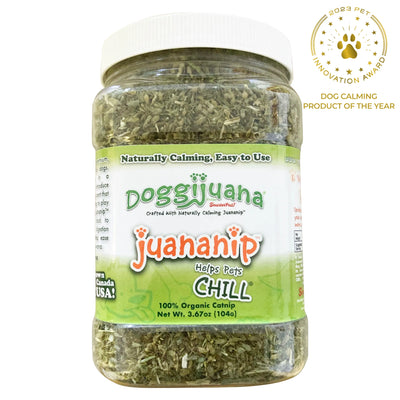
Tub container of Doggijuana® Juananip®, promoting a naturally calming effect for pets.
Juananip Refill Tub
$ 18.99
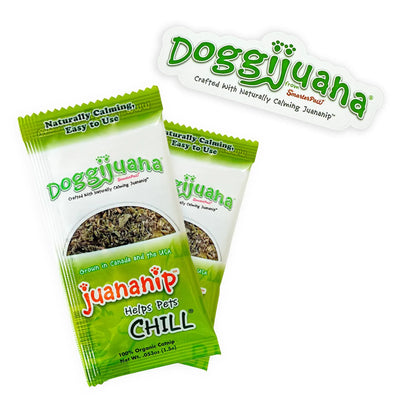
Two green packets of Doggijuana® Juananip® organic catnip with a logo sticker, promoting its calming benefits for pets.
Juananip Trial Pack
$ 0.99
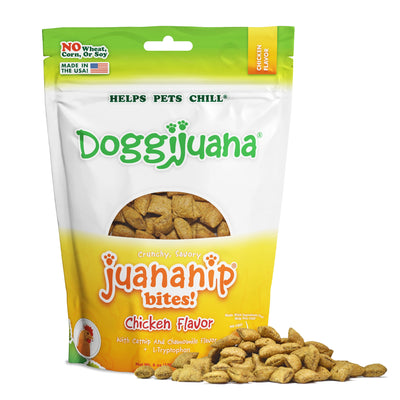
Juananip Bites - Chicken Flavor Dog Treats
$ 10.99

Build the senior day

Where's your dog right now? Get the matching daily rhythm.

🚶
Spry senior
Slower, but still up for it
🦴
Creaky but keen
Willing spirit, stiff mornings
🛏️
Mostly horizontal
Short outings, long naps

The spry rhythm

  • Walks: two or three 15-minute outings, at least one sniff-led
  • Games: a daily gentle fetch or tug round, plus a 5-minute training rep
  • Scent: a room-hide session most days, hides at nose height
  • Evenings: scented chew or easy puzzle dinner for the wind-down
Spry seniors are the easiest to under-serve because they seem fine. Keep the mental work daily and the fitness compounds.

The creaky-but-keen rhythm

  • Walks: two or three 10-minute strolls after the morning stiffness eases, dog sets the pace
  • Scent takes the lead: sniff walks and floor scatters replace fetch as the main event
  • Soft play: gentle give-y tug if they offer; no bouncing games
  • Evenings: chew session, easy puzzle, early night
Morning stiffness that eases with movement is classic arthritis, and it's treatable. Vet visit if you haven't had that conversation; managed joints buy back activity.

The gentle rhythm

  • Outings: short sniff sessions in the yard or the block's best smells, several times daily
  • Scent without steps: find-it scatters around their resting area; hides within a few feet
  • Mouth work: the scented chew is the main event; softest options in the lineup
  • Together time counts: a nose-target game from the bed is real enrichment
If the appetite for engagement itself fades (not just the mobility), that's information for the vet, not just aging. Interest is the vital sign to watch.

Gentle play that still counts

Soft tug, low fetch. Many seniors still love a gentle tug with give in it, or a short-toss fetch that rolls instead of bounces. Trade distance for repetition and quit while they're still keen.

The scented chew session. Chewing is low-impact, self-paced, and settling, which makes a Tuffer Chewer with Juananip in the mix one of the best senior fixtures: engagement without a single jump. For softer mouths, monitor and choose the gentler options in the rotation.

The puzzle dinner, easy mode. Food puzzles keep working forever; just set the difficulty low. A senior working a simple puzzle gets the mental engagement without the frustration, and slow eating suits older digestion anyway. Our puzzle guide covers difficulty levels.

Training never retires. Old dogs learn new tricks happily; they just learn them sitting down. Chin rests, nose targets, name games: five gentle minutes of learning is premium mental work for a gray muzzle, and the brain games list has a senior-friendly bottom rung.

Reading the signals honestly

Two patterns deserve a vet visit rather than a routine change. A dog that stops enjoying activities they physically can still do (disinterest without stiffness) can be signaling pain, cognitive change, or illness; sudden confusion, pacing at night, or getting stuck in corners deserves the same attention, since canine cognitive decline is real and manageable when addressed early. The flip side is just as important: don't retire a healthy senior into boredom out of kindness. The gray muzzle changes the dose, never the need.

The realistic senior day: two or three short sniff-forward walks, one five-minute game or training rep, a scented chew or easy puzzle in the evening. Gentle, cheap, and it keeps the best years good. The Juananip lineup covers the scent half of the whole plan.

Frequently asked questions

How do I keep my senior dog active? +
Swap intensity for frequency: two or three short, gentle walks beat one long one, with the dog setting the pace. Add zero-impact mental work — sniff-forward walks, floor-level find-it games, easy scent hides, and low-difficulty food puzzles. The engagement need doesn't shrink with age; the delivery changes.
What is the best activity for old dogs? +
Scent work. A dog's nose stays world-class long after sprinting ends, and scent games are zero-impact, mentally tiring in the best way, and instantly rewarding for old dogs. Sniff walks, treat scatters, and simple room hides with a high-interest scent like Juananip cover it at ground level.
How much exercise does a senior dog need? +
Most seniors do well with 30-60 total minutes of gentle activity spread across the day, but the honest answer is dog-by-dog: let them set the pace and treat slowing down mid-activity as information. Morning stiffness or reluctance on activities they can physically do warrants a vet conversation, since arthritis is common and treatable.
Do old dogs still need mental stimulation? +
Yes, arguably more than ever: mental engagement supports aging brains, and old dogs learn new (gentle) tricks happily. Easy puzzles, name games, nose targets, and scent work all deliver it without joint load. Retiring a healthy senior into boredom out of kindness is the common overcorrection.
When is a senior dog's slowing down a vet issue? +
Two patterns: disinterest in activities they physically still can do (possible pain or illness), and confusion signs like night pacing, getting stuck in corners, or disorientation (possible cognitive decline, which is manageable when caught early). Gradual gentle slowing with maintained enthusiasm is normal aging.

The SmarterPaw Team

We're the team behind Doggijuana — found in 7,000+ retailers worldwide including PetSmart, Petco, and Walmart. Founded in 2015 in Lenexa, Kansas.

Share
← Back to Doggijuana Blogs & News

Leave a comment

Please note, comments need to be approved before they are published.